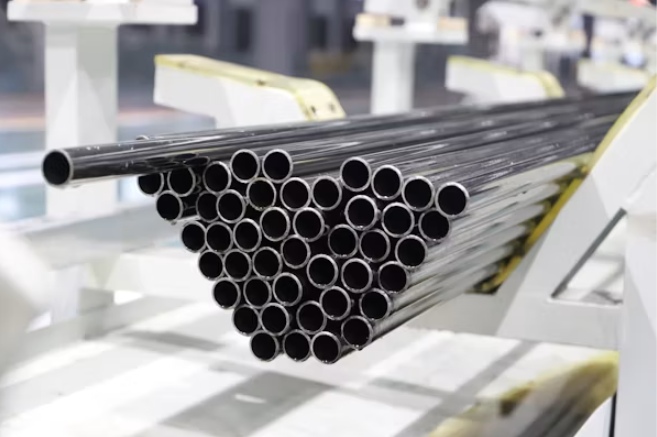
Modern engineering decisions increasingly prioritize lifecycle value over upfront savings, and 304 stainless steel tubes continue to play a central role in that shift. Projects that once focused on cost alone now demand the use of materials that sustain performance, reduce maintenance, and adapt to varied environments without frequent replacement or failure.
As industries refine procurement strategies, 304 stainless steel tube is being selected because it supports long-term operational efficiency and reduces unexpected downtime. This material aligns with evolving expectations where durability, corrosion resistance, and fabrication ease directly influence project success, making it a practical solution for engineers balancing performance with cost accountability.
Lifecycle Performance Now Drives Material Selection
Lifecycle Cost Evaluation Over Initial Price: Engineers now assess materials based on total cost across service life rather than upfront purchase price alone. A material that resists corrosion, requires minimal maintenance, and maintains structural integrity over time reduces replacement cycles and labor costs, which directly improves operational efficiency in industrial systems.
Delayed Material Upgrades Increase System Risk: When lower-grade materials are chosen to reduce upfront expense, degradation often occurs faster, especially in corrosive or high-moisture environments. In everyday industrial practice, engineers frequently encounter systems where premature material failure led to shutdowns, increased repair costs, and compromised safety margins that could have been avoided.
See also: Luxury Developments in Abu Dhabi
Corrosion Resistance Remains a Core Selection Driver
Resistance to Environmental Degradation Defines Longevity: Corrosion resistance is essential because exposure to chemicals, moisture, and temperature fluctuations can weaken inferior materials quickly. The 304 stainless steel tube offers consistent resistance to oxidation and corrosion, which helps maintain structural stability and reduces the likelihood of leaks, contamination, or mechanical failure.
Material Integrity Supports Operational Consistency: Industrial systems rely on predictable performance, especially in sectors like food processing, pharmaceuticals, and construction. The inclusion of austenitic stainless steel properties ensures that tubing retains strength and ductility even under stress, making it suitable for environments where both hygiene and durability are non-negotiable.
Fabrication Flexibility Expands Application Potential
Ease Of Forming And Welding Simplifies Design: Engineers favor materials that can be shaped, welded, and installed without complex processes. The 304 stainless steel tube supports efficient fabrication, allowing for customized designs without compromising strength. This flexibility reduces production time and enables adaptation across diverse project requirements.
Versatility Enables Cross-Industry Use: From structural frameworks to fluid transport systems, the ability to use a single material across multiple applications simplifies sourcing and design decisions. The presence of chromium nickel composition enhances both corrosion resistance and workability, making it suitable for industries ranging from construction to chemical processing.
Broad Inventory Access Improves Project Efficiency
Comprehensive Stock Availability Reduces Delays: Access to a wide inventory ensures that engineers and procurement teams can source exact specifications without extended lead times. This availability is critical in large-scale or time-sensitive projects where delays in material sourcing can halt progress and increase costs.
Standardization Supports Faster Decision Making: When consistent material grades and dimensions are readily available, teams can standardize designs and streamline procurement. This reduces complexity in planning and allows for quicker approvals, especially in industries where compliance and consistency are essential to maintaining operational quality.
Comparing Material Alternatives In Industrial Use
Carbon Steel Offers Lower Cost But Higher Maintenance: Carbon steel is often selected for its affordability, but it lacks corrosion resistance, leading to higher maintenance and shorter service life in many environments. This makes it less suitable for applications where exposure to moisture or chemicals is unavoidable.
Other Stainless Grades Provide Strength But Increase Cost: Higher alloy stainless steels may offer enhanced strength or corrosion resistance, but they often come with significantly higher costs. 304 stainless steel tube provides a balanced option, delivering reliable performance without the premium pricing associated with more specialized alloys.
Long-Term Value Extends Beyond Material Cost
Durability Reduces Replacement Frequency: Materials that last longer reduce the need for frequent replacements, which minimizes labor, downtime, and disruption. This contributes to more stable operations and predictable budgeting over time, especially in industries where continuous operation is critical.
Consistent Performance Protects System Integrity: Choosing materials that maintain their properties under varying conditions helps protect entire systems from failure. The 304 stainless steel tube supports consistent flow, structural reliability, and resistance to environmental stress, making it a dependable choice for long-term applications.
Key Considerations When Selecting 304 Stainless Steel Tube
Selection Factors That Influence Performance: Choosing the right tubing requires evaluating multiple operational and environmental factors to ensure optimal results.
- Material grade consistency ensures predictable performance across all applications.
- Proper sizing and wall thickness support pressure and load requirements.
- Corrosion resistance reduces maintenance needs and extends service life.
- Fabrication compatibility allows efficient installation and customization.
- Supply availability minimizes delays and supports project timelines.
FAQ Section
What industries benefit most from using 304 stainless steel tubes?
Industries such as food processing, pharmaceuticals, construction, and chemical handling benefit significantly due to the material’s corrosion resistance and hygiene compatibility. Its adaptability allows it to perform reliably in both structural and fluid transport applications, making it a preferred choice across diverse operational environments.
How does 304 stainless steel tube compare to other materials in durability?
The 304 stainless steel tube offers strong resistance to corrosion and oxidation, which extends its usable life compared to carbon steel. While some higher-grade alloys may provide added strength, this material balances durability and cost, making it suitable for most general-purpose industrial applications.
Is 304 stainless steel tube suitable for high-moisture environments?
The 304 stainless steel tube performs well in high-moisture and mildly corrosive environments due to its chromium content, which forms a protective surface layer. This helps prevent rust and degradation, making it a reliable option for applications exposed to water or humidity over extended periods.
Does fabrication flexibility impact project efficiency?
Fabrication flexibility directly impacts efficiency because materials that are easy to cut, weld, and shape reduce labor time and complexity. The 304 stainless steel tube allows for faster customization and installation, which helps projects stay on schedule and within budget.
Smarter Material Choices Start With Better Sourcing
Selecting 304 stainless steel tubes ensures durability, adaptability, and reduced lifecycle costs, all of which support better project outcomes. Delaying the shift to performance-driven materials often leads to higher maintenance and operational disruptions. The next step is to evaluate specifications and secure the right tubing solution for current and future needs by getting in touch with a trusted supplier.
