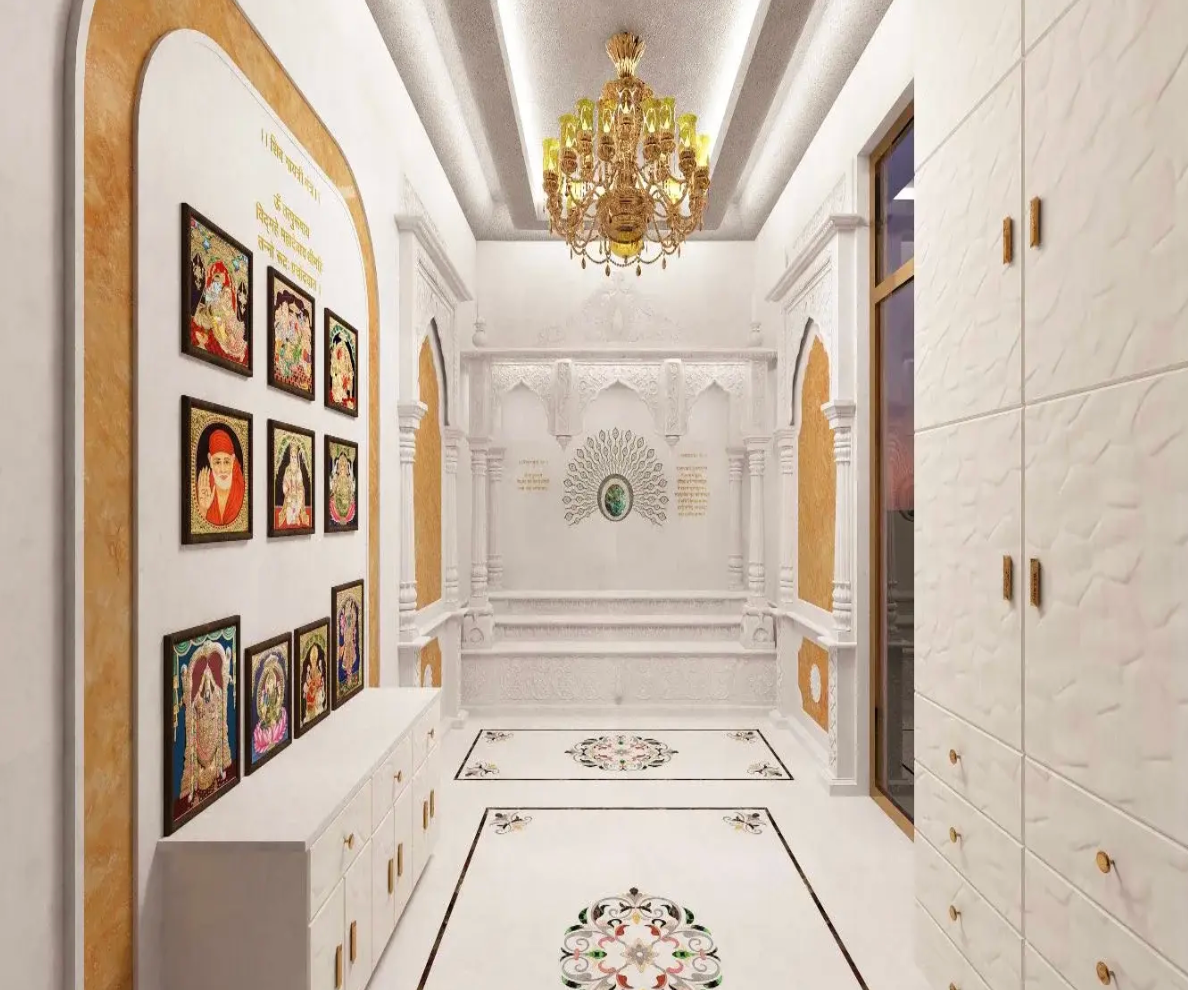
Modern homes are constantly evolving as time progresses. Today’s modern homes no longer just have basic architectural designs. Open plan spaces, minimal décor, use of natural materials and thought-out layouts are all commonplace in today’s contemporary home designs. But regardless of how trends evolve and interiors are updated, a section of the house is set aside for prayer and worship by many families.
Instead of making this section as an add-on to the rest of the home, families today are keen to install marble temples which will integrate seamlessly into the overall interior design of the house. It is why, over the years, we see the increase of customised temples from reliable marble temple manufacturers which do not have generic designs but are sculpted in a way which perfectly complements the existing house, beliefs, and lifestyle of the inhabitants.
Every Home Has Different Space Requirements
Here is another key reason why people are now going for custom marble temples: No two homes are the same. A temple which might feel apt for an apartment would not seem fitting for a duplex, a villa, or an independent house – due to varying floor space, ceiling heights and room sizes. A custom design process helps you take these practicalities into account.
Your floor space, placement of walls, ceiling height, even your other furniture can help determine the final design. This ensures the temple blends with your existing interiors rather than standing out as a completely distinct piece. Be it in a corner of your living room, or in a separate Pooja room, smart designing can make it fit seamlessly.
See also: Roof Repair Los Angeles Is Helping Homeowners Respond to California’s Changing Climate
Balancing Tradition With Contemporary Design
Traditional temple architecture includes many distinctive elements such as carved pillars, domes, arches, shikhars, jali work, and ornamental detailing. These features continue to hold cultural and spiritual significance, but modern homes often favour cleaner lines and more understated interiors.
Custom temples by leading marble temple manufacturers demonstrate that these two approaches do not have to compete with each other. Traditional craftsmanship can be adapted to suit contemporary spaces without losing its identity. Some homeowners may prefer intricate carvings inspired by classical temple architecture, while others choose simpler designs that complement minimalist interiors. The objective is not to replace tradition but to present it in a way that feels harmonious with the rest of the home.
Material Selection Shapes Both Beauty and Durability
The choice of marble plays an important role in both the appearance and longevity of a temple. Different varieties offer different colours, textures, and carving characteristics, making material selection an important part of the design process.
Vietnam White Marble has become a preferred choice for many custom marble temples because of its clean appearance and ability to accommodate detailed carving. Its fine grain allows artisans to create intricate decorative elements while maintaining smooth finishes and crisp details. The bright white surface also complements a wide variety of interior styles, from classic homes to contemporary spaces.
Designing Around Everyday Living
Modern homes often serve multiple purposes throughout the day. Living rooms become entertainment spaces, dining areas double as workspaces, and spare rooms may function as home offices. Within these flexible environments, the prayer area also needs to feel practical without losing its spiritual significance.
Custom marble temples can be designed to suit these changing lifestyles. Storage for पूजा essentials, carefully planned proportions, and layouts that support comfortable daily worship can all be incorporated into the design. Rather than occupying unnecessary space, the temple becomes an organised and functional part of the home that supports everyday routines while maintaining a peaceful atmosphere.
Lighting Plays an Important Role
Lighting has a significant influence on how any interior space feels, and marble temples are no exception. Natural light highlights the texture and carving of marble, while carefully planned artificial lighting can create a warm and calming environment during evening prayers.
White marble reflects light gently, helping the space feel brighter without appearing overwhelming. Many homeowners consider the direction of natural light, ceiling fixtures, and accent lighting when designing their prayer area. Thoughtful lighting not only enhances the visual appeal of the temple but also contributes to the quiet, reflective atmosphere many families seek.
Handcrafted Details Make Every Temple Unique
Although modern technology has introduced new tools to the stone industry, handcrafted work continues to play an important role in marble temple design. Skilled artisans create detailed carvings, decorative borders, floral motifs, pillars, and architectural elements that give each temple its own character.
Hand carving also allows greater flexibility during custom projects. Decorative features can be adjusted to suit the scale of the temple, the architectural style of the home, or the family’s personal preferences. This combination of traditional craftsmanship and customised design helps ensure that no two temples are exactly alike.
Designing for Different Spiritual Traditions
Every family has its own traditions and worship practices. Some homes are designed around Hindu customs, while others require specific layouts and symbolic elements for Jain prayer spaces. These differences influence not only the placement of deities but also the overall proportions, decorative details, and architectural features of the temple.
Custom marble temples allow these individual requirements to be incorporated from the beginning of the design process. Instead of adapting a standard structure later, the temple can be planned to reflect the family’s spiritual practices while remaining visually balanced within the home. This personalised approach allows the prayer space to feel meaningful on both a practical and cultural level.
Long-Term Value Beyond Interior Trends
Interior design trends change over time. Colours, furniture styles, and decorative preferences often evolve as homeowners update their living spaces. Natural stone, however, has remained a popular architectural material for generations because of its durability and timeless appearance.
A well-crafted marble temple often continues to complement changing interiors even as other design elements are updated. Its neutral colour palette and handcrafted detailing allow it to adapt to different decorating styles without losing its visual appeal. This lasting quality makes marble an enduring feature rather than a short-term design trend.
A Dedicated Space That Feels Connected to the Home
One of the most noticeable differences between a custom temple and a standard unit is how naturally it fits within the overall home. When proportions, materials, finishes, and architectural details are planned together, the temple feels like part of the original design rather than an addition made afterwards.
This sense of continuity helps create a more balanced interior. The prayer space remains visually distinct because of its spiritual purpose, yet it still reflects the same design language found throughout the rest of the home. As a result, homeowners can enjoy a space that feels both peaceful and architecturally connected.
Final Thoughts
Custom marble temples demonstrate that traditional craftsmanship and contemporary interior design can work together beautifully. By considering factors such as available space, material selection, lighting, handcrafted detailing, and individual spiritual practices, homeowners can create prayer spaces that complement modern homes without compromising tradition.
Rather than treating the temple as a separate decorative feature, thoughtful design allows it to become an integral part of the home’s overall architecture. As modern living continues to evolve, custom marble temples show that timeless materials, skilled craftsmanship, and personalized design remain just as relevant today as they have been for generations.
