Aesthetic clinics and dermatology centres are today very different from how they used to be. While there are still general consultations, basic dermatology services, hair transplant surgeries, and procedures, laser hair removal, and aesthetic procedures are being introduced more regularly into clinics. As these service offerings evolve, so does the importance of designing treatment rooms that are organised, functional, and welcoming for both the patients and clinicians who occupy the space.
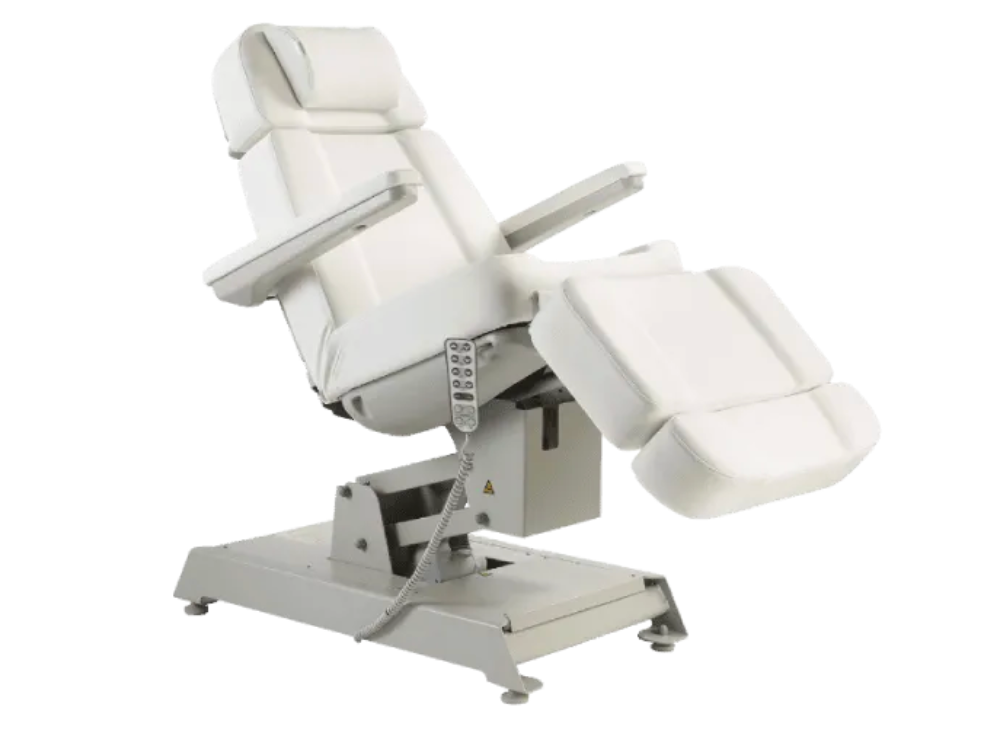
One of the most commonly used tools within a clinic is the dermatology chairs. Although the main objective is for it to be comfortable for the patient while they are receiving treatment, the chairs are so much more than a place to sit.
Supporting a Variety of Skin and Aesthetic Treatments
It differs from a consultation room as, at dermatology and aesthetic clinics, patients are required to be positioned in different manners as treatments vary. For example, patients may come for one appointment where they are only undergoing a general skin assessment and the next where they may be coming for a procedure to undergo treatment such as laser treatment, facial treatments, removal of a mole or hair restoration. The positioning of patients and working setups will differ for each type of treatment.
Contemporary dermatology chairs allow for patients to be able to undergo all these types of procedures from a single position as patients will not need to be moved from different treatment rooms/stations to be treated for different purposes. With a versatile dermatology chair, clinics can save on space within their treatment rooms and efficiently organise patient flow throughout the day; especially when practices offer both medical and aesthetic services on the same appointment.
See also: How Reading Fiction Develops the Decision-Making Capabilities That Professional Life Demands
Adjustable Positioning Makes Everyday Work Easier
One of the most useful developments in modern dermatology chairs is the ability to make smooth, precise adjustments using motorised controls. Independent movement of the height, backrest, leg rest and tilt allows practitioners to position patients according to the specific requirements of each procedure.
Rather than asking patients to repeatedly change position or manually adjusting equipment throughout the appointment, clinicians can make gradual changes with minimal disruption. This helps treatments progress naturally while allowing practitioners to maintain comfortable access to the treatment area. Small improvements in positioning can also make detailed procedures easier to perform with consistency.
Patient Comfort Supports Better Appointments
A number of dermatology treatments, especially those considered aesthetic, require a bit more time than the average doctor’s appointment. Patients often stay seated or even lie down for an hour or more at a time during treatments and so comfort at that point is something of importance. Fortunately, dermatology chairs these days have plush support and shaping to help keep a patient comfortable.
It is easy for chairs to move and to find positions that are easiest for patients during a treatment and when a patient is comfortable the treatment can often flow better and start to finish.
Improving Working Conditions for Practitioners
Of course, comfort needs to be taken into consideration for those actually undertaking the treatments as well. Dermatology treatments involve closely looking at skin, fine hand movements, and sustained periods of concentration. If at an awkward angle, the wrong height, it soon becomes tiring over the course of a day in a clinic.
The advantage of an adjustable treatment chair is that practitioners are able to work at the correct working height for themselves. They also can access the area through the procedure without unnecessary bending, stretching or uncomfortable positions throughout the normal clinical working day.
Supporting Clinics That Offer Multiple Services
Today, most clinics do not focus on just one kind of treatment. A single treatment room may be utilised to facilitate medical dermatology consultations in the morning, followed by cosmetic treatments in the afternoon, and later in the day used to perform hair restoration procedures. Due to the broad range of services provided, clinics require equipment that is able to cater to a wide range of clinical needs, yet maintain an uncomplicated operating design.
Adjustable dermatology chairs give clinics the ability to convert a treatment room from one appointment type to another by simply modifying the same device. In many cases the device may have adjustable sections, removable parts, or a wide range of adjustments that make it simpler to switch between procedures, as well as efficiently utilise the clinical area for numerous patients throughout the day.
Helping Maintain an Organised Treatment Room
An organised treatment room contributes to a more efficient working day. Equipment that is simple to adjust and straightforward to operate allows practitioners to prepare for each appointment without unnecessary delays between patients.
Many modern dermatology chairs include practical features such as handheld remote controls, independently adjustable sections and removable headrests or armrests where appropriate. These features allow clinicians to adapt the treatment area quickly for different procedures while maintaining a tidy and well-organised clinical environment. Small practical improvements often make everyday workflows easier to manage.
Hygiene Remains an Everyday Priority
Cleanliness is an essential part of every dermatology and aesthetic practice. Treatment chairs are used throughout the day by multiple patients, making routine cleaning an important part of everyday operations.
For this reason, modern dermatology chairs are often manufactured using upholstery materials designed for straightforward cleaning and regular maintenance. Smooth surfaces and durable finishes help support established hygiene procedures while maintaining the appearance of the chair over time. Practical design choices such as these contribute to efficient room preparation between appointments.
Built for Regular Clinical Use
The everyday nature of a working day, along with a broad range of different types and scales of patients and treatments being conducted mean that, aside from comfort and appearance, durability and reliability must be major features.
This means a solid frame construction, consistent, effective and precise adjustment systems, and materials and craftsmanship of a consistently high quality are key. Reliable and effective equipment that continues to operate with predictable consistency during normal clinical practice helps ensure your equipment does not require attention it would do under other circumstances.
By helping the practice to work with minimal disruption and allowing practitioners to concentrate on their procedures and their patients, well thought out equipment contributes to the smooth day to day running of the clinic.
Equipment That Supports Modern Clinical Practice
Given the way that dermatology and aesthetic practice are constantly evolving clinics are looking to invest in working and clinical equipment that makes them flexible, accessible and pleasant. This means that as well as being comfortable and aesthetically pleasing equipment should enable the clinical team to effectively and logically arrange their practice to offer a wide range of treatments on a given day.
As a result, treatment chairs and their equivalents have begun to shift from simply being regarded as a piece of equipment to being thought of as practical working aids which have an influence on workflow and patient management as well as patient comfort and positioning.
Final Thoughts
Today, the dermatology chair has become a highly functional item of clinic furniture designed to support a diverse range of dermatology and cosmetic procedures. In terms of the chair itself, adjustable position options, the chair’s ergonomic construction and various practical attributes allow a clinic to house varied treatments without compromise to efficiency and cleanliness.
It goes without saying that no two clinics will operate in the same manner, however, versatile treatment furniture can enhance day to day clinic functionality through patient comfort, practitioner reach and the dynamic reconfiguring of clinic room layouts.
As services expand and develop, well designed dermatology chairs will undoubtedly remain key in ensuring that treatment spaces remain both flexible and functional, fit for today’s dermatology practice.
