A home on the coast showcases a different life than a flat in a metro tower. Salt in the air, long monsoons, and steady sea breeze all shape how a space should be built for the family. Good interior design in Udupi starts with these conditions, not with a look copied from a city showroom. The climate writes the brief here.
Metro homes are designed keeping tight space and sealed, air-conditioned rooms in mind. Coastal homes ask for airflow, moisture control, and materials that sustain in damp weather. So interior design in Udupi follows a separate set of rules. A design that photographs well in Bengaluru can age badly within a single rainy season near the sea.
Coastal Weather Shapes Material Choices in Udupi Homes
Humidity is the first thing that splits the two apart. Coastal air carries moisture for most of the year, and that moisture works negatively on everything inside a house. Wood swells. Metal fittings rust. Paint lifts off the wall in patches. Sound home interior design in Udupi plans for this on day one, picking finishes that take damp weather in stride.
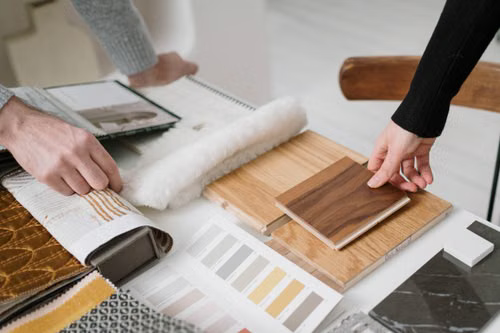
Marine-grade plywood, treated solid wood, and rust-resistant hardware all earn their place on the coast. Laminates need careful sealing at the edges, or water finds a way in. Even the paint choice counts, since some finishes trap moisture and feed mold. These look like small calls. They decide how a home holds up over ten years and more.
See also: Luxury Developments in Abu Dhabi
Why Space Planning In Udupi Homes Differs
Metro design often fights for every square foot. In Udupi, many families build on independent plots with room to spare, so the goal shifts. The work is less about squeezing function into a small flat and more about guiding air and light through a larger home. Open layouts suit the coast well, since they let the breeze move through rooms.
Room culture differs too. Homes in the region usually need a dedicated pooja space, a roomy kitchen, and often a verandah for the evenings. Joint families share these spaces across generations. A floor plan borrowed from a compact city apartment can miss all of this, leaving rooms that look smart yet feel wrong for daily living.
Light and Air Matter More on the Coast
Sealed, AC-dependent rooms make sense in a dusty inland city. On the coast, that approach traps humidity and pushes up running costs. Cross-ventilation does real work here. It pulls damp air out and draws fresh air in. Window placement, door alignment, and ceiling height all feed into how cool and dry a room stays without machines running all day.
Ceiling fans, deep windows, and shaded openings still carry a coastal home through most of the year. They cut the hours an air conditioner has to run, which keeps bills lower and rooms healthier. A design that leans on natural cooling first, then adds machines where needed, fits the weather far better than one built around sealed boxes.
Vastu and Local Living Shape Udupi Interiors
Many homeowners in the region follow Vastu, and they want it respected without turning the house into a rulebook. Entrance direction, kitchen placement, and the spot for the pooja room carry real weight for these families. Metro projects sometimes treat Vastu as an afterthought. Coastal design tends to build around it from the first sketch, then balances it against how people truly live.
What Coastal Udupi Interiors Should Plan for
A home designed for the coast accounts for things a city template tends to skip. Here is what matters most:
- Moisture-resistant materials for floors, cabinets, and walls
- Cross-ventilation that cuts down on constant AC use
- Rust-resistant hardware and well-sealed joinery
- Vastu-aligned room placement where the family wants it
- Kitchen and storage sizing built for joint-family living
- Low-maintenance finishes that hold through heavy monsoons.
The Real Cost of a Metro-Style Template
Copy a metro look without adjusting for the coast, and the bill shows up later. Swollen cabinet doors, peeling paint, and rusted fittings push families into early repairs. Some redo entire rooms within two or three years. The money saved by skipping local knowledge often gets spent twice over, and the worry that tags alone is harder to put a number on.
The better path costs far less stress. A home designed for its climate stays calm and easy to look after, which is the whole reason for building near the sea. You get to simply live in your space, rather than manage a running list of fixes. That is the quiet reward of getting the brief right the first time.
Planning a Coastal Home in Udupi
Building or renovating near the sea calls for a designer who understands damp weather, local living, and the way light moves through a coastal home. Before you approve any plan, ask how it handles humidity, airflow, and the materials that will survive a monsoon. Get those answers right, and the rest of the design has firm ground to stand on. Reach out for a consultation and plan a home built for coastal living.
