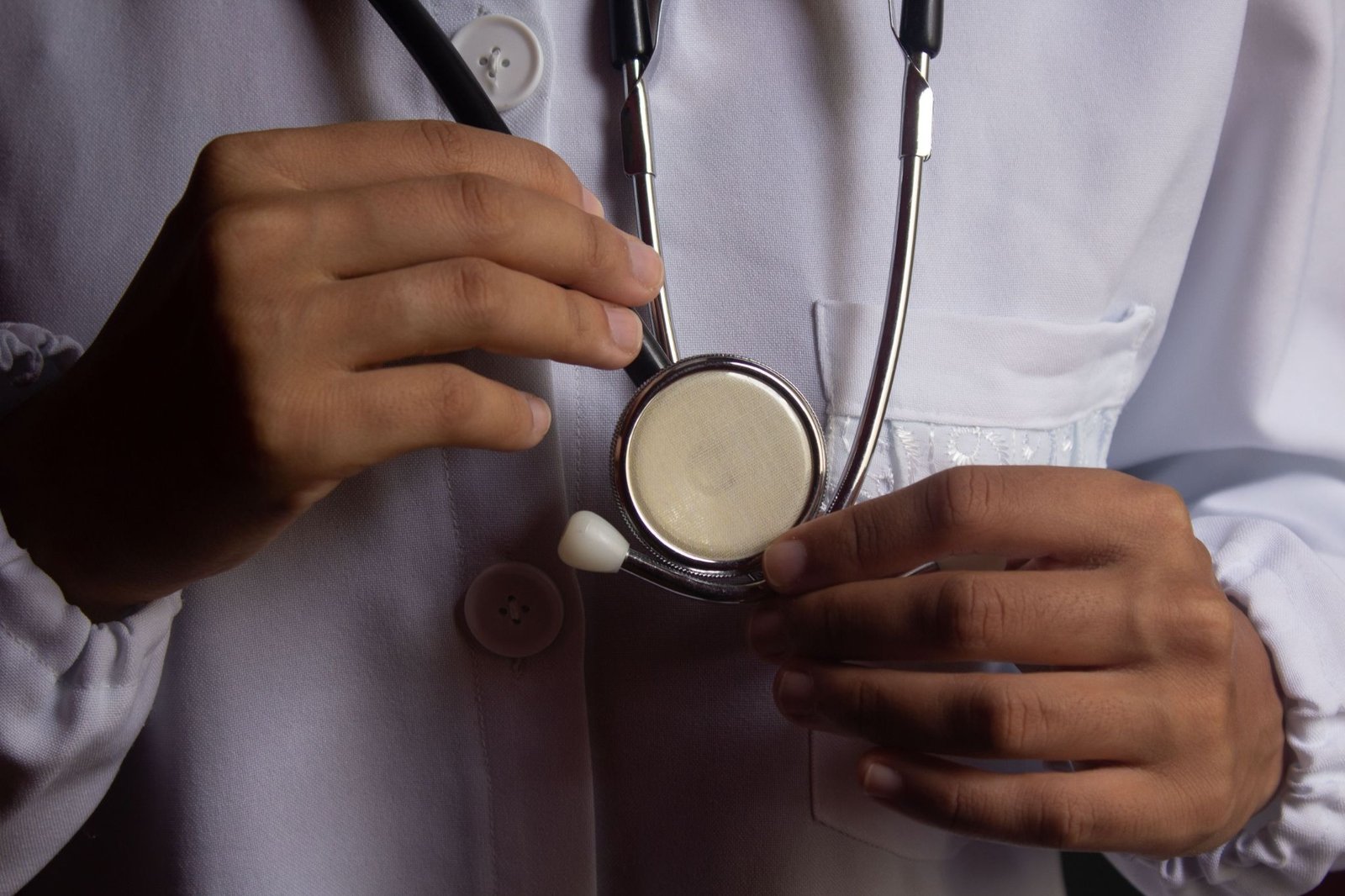
Heart care has witnessed a massive transformation over the last few decades. Once it was felt by many that cardiology only dealt with the immediate management of heart attacks and surgical operations but over the years the scope has increased manifold.
The focus is on prevention, early diagnosis, and tailor-made treatments according to individual patient conditions. The contemporary approach to caring for your heart considers the bigger picture rather than the mere management of emergency conditions. A combination of routine health checks, high-tech imaging techniques, lifestyle interventions, use of drugs, less invasive methods and on rare occasions advanced cardiac surgery by a professional heart doctor in Ranchi is adopted for a proactive approach towards maintaining cardiac wellness and a balanced health.
Given the continued rise in heart diseases across the globe, it becomes imperative for every individual to understand how cardiology is working to join the prevention, diagnosis, and treatment together to provide optimal cardiac care.
Prevention Is the First Step
A major shift is the emphasis on prevention. Traditionally, the focus has been on diagnosing and treating heart disease once it has already set in. These days, doctors aim to help you prevent the disease from occurring in the first place by recognising and dealing with inherent risk factors.
These include: high blood pressure, diabetes, high cholesterol, obesity, smoking, inactivity, and family history of heart disease. Regular health screening and medical evaluation will help an experienced heart doctor in Ranchi assess the risk for you to adopt measures to reduce them, if need be.
Preventive cardiology promotes the establishment of healthy lifestyles such as the balanced intake of nutrients, physical activity, stress reduction and scheduled checkups. These efforts will help ensure a healthy heart over the long run.
See also: How Modern Dermatology Chairs Improve Workflow During Skin and Aesthetic Procedures
Understanding Symptoms Early
It is not necessary for heart disease to start with extreme symptoms. More often than not, signs of a serious condition will gradually increase, potentially mimicking other, lesser issues.
Fatigue, chest tightness, short-windedness, reduced stamina or dizziness may be early signals of problems in the heart.
Being attentive to these signals will enable people to be examined by a doctor and to obtain treatment prior to an emergency. Not every symptom experienced by people will point towards heart disease, but it is essential that these warning signs are checked.
Advanced Diagnostic Tools Improve Understanding
Accurate diagnosis is critical to excellent cardiac care. Today, cardiology involves an array of sophisticated tests designed to examine heart health, function and blood flow. Commonly performed tests include the ECG, echocardiography, stress testing and advanced imaging modalities.
The tests offer key details on heart rhythms, heart muscle, valves, and blood flow, and further diagnostic tests such as CT coronary angiography and coronary angiography may be undertaken to visualise coronary blood flow if indicated by a patient’s history and symptoms. These diagnostic approaches enable physicians to ascertain a more precise picture of each patient’s unique condition rather than working with guesswork and to tailor treatments to specific requirements.
Personalised Treatment Planning
The cardiovascular system in each person varies significantly. Two individuals presenting with similar symptoms might necessitate two diametrically opposing forms of therapy – age, prior history, habit, and fundamental condition are all determining factors. Contemporary cardiology therefore involves extensive personalised treatment.
After the comprehensive investigation, physicians craft individual treatment management plans for each case. While a programme consisting of healthy lifestyle adjustments, consistent observation suffices in many cases. Other cases will benefit from taking medication aimed at the patient’s pressure, level of cholesterol or heart beat.
With further complex treatments involving the system, plans might incorporate minimal invasiveness operations or operations to undergo procedures. However, the intention is invariably to make sure a given methodology suits the specific requirement of the patient as opposed to a blanket prescription for everyone.
The Role of Interventional Cardiology
As technology moves forward, many areas of the treatment of the heart have evolved dramatically. Today, an essential component of heart treatment includes interventional cardiology – an innovative approach to managing several heart diseases with minimal surgical procedures.
Coronary angiography and angioplasty are often achieved using a special catheter-based approach which enables doctors to see and, when necessary, repair any narrowed blood flow in the coronary arteries. Pacemaker implantation and various other procedures also have seen refinement, and have proved useful in the treatment of diverse cardiac conditions.
This has opened up new treatment avenues, minimising reliance on some traditional surgical options in suitable candidates.
Cardiac Surgery Still Has an Important Role
Even though there is treatment of most cardiac diseases now in the form of medications and minimal invasive procedures, cardiac surgery still is of importance in modern cardiology.
Some of the patients will require operation because of complex coronary disease, structural heart diseases and disorders of heart valves. Contemporary cardiac surgery takes advantage of development of surgical methods, anaesthesia, intensive care, management of patients after the surgery and it all requires precise planning and team work.
Hence, the operation is a component of a comprehensive system of cardiac treatment and it should be treated in that context.
Team-Based Care Supports Better Outcomes
Your heart care team likely has many players. Today, the care of patients with heart disease can involve cardiologists, cardiac surgeons, cardiac anesthesiologists, cardiovascular technologists, cardiovascular nurse practitioners, rehabilitation nurses, exercise physiologists, cardiac rehabilitation counselors and others. They work together on the diagnosis, treatment and recovery. Each person on your care team offers a unique set of skills.
Diagnostic specialists perform a wide variety of tests and procedures. Interventional cardiologists focus on using catheters for minimally invasive treatment of blocked arteries.
Cardiac surgeons operate on and repair structural heart conditions, while nursing staff will be involved in many stages of your care – from preparing you for surgery to providing long-term follow-up care.
Technology Continues to Improve Cardiac Care
There has been an enormous boost to cardiology thanks to medical technology development. These include advanced imaging, cardiac catheterisation laboratory, diagnostic equipment and monitoring devices – all enabling healthcare providers to examine heart patients more precisely than in the past.
With cutting edge medical equipment such as innovative imaging devices, cardiologists get a clear view into patients’ hearts to identify, analyze and prescribe effective medication and treatments.
In specialised cardiac catheterization labs, doctors conduct a plethora of diagnostic procedures and minimally invasive treatments for various cardiovascular diseases and ailments. Such innovative equipment provides more chances of diagnosing cardiovascular problems more accurately and effectively. Medical technologies are developing with rapid speed and paving way to offer better patient analysis and treatment and enhance more and more cardio medical processes efficiently.
Long-Term Heart Health Requires Ongoing Care
The management of cardiovascular health is far from over once a diagnosis is confirmed and treatment is in place. Some heart disorders need repeated assessment and follow-up to check on progress, fine-tune drugs and review how the heart is functioning over time.
This may involve seeing their specialist on a regular basis, having more tests done, or carrying on with measures to improve their cardiovascular health.
Ongoing monitoring enables clinicians to see whether a patient’s condition is changing over the years and take steps to alter their treatment accordingly.
Final Thoughts
Today, cardiology is an approach of preventive care, investigation and treatment that is holistic in its care for the heart from disease development to management. We promote proactive ways of identifying risks to prevent cardiovascular disease. Our comprehensive diagnostic approach enables in-depth knowledge of cardiac disease.
Through individually designed treatments, we provide comprehensive care that is tailored to the needs of every patient. Modern cardiology will involve lifestyle advice, medication, percutaneous interventions and cardiac surgery to manage a range of conditions.
Through the effective application of all our resources, including team collaboration and innovative technology we work with you through continued monitoring to help you to lead a healthy life with a healthy heart.
