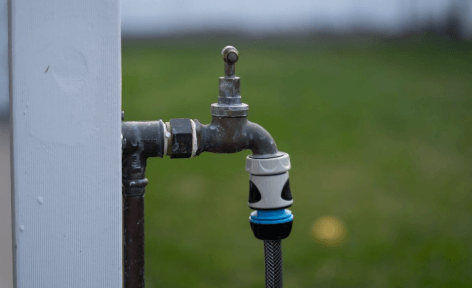
Maintaining outdoor plumbing requires methodical checks of exposure points, drainage paths, and protective seals before winter, and testing of drains after summer. Attention to hoses, faucets, and valves is essential, including winterizing and inspecting for leaks. Insulation and durable connections reduce risk, while regular draining, depressurizing, and cap-outlet practices prevent blockages. Documentation of schedules and seasonal rehearsals supports readiness for both cold and heat; the next step reveals specific procedures and timing essential for success.
What to Inspect Before Winter and After Summer
Before winter onset and after the summer season, a systematic inspection of outdoor plumbing should focus on exposure points, drainage paths, and protective measures.
The assessment includes inspecting seals, testing drains, and evaluating vulnerabilities exposed by seasonal changes.
Emphasis is placed on winter prep and summer maintenance, ensuring durable connections, functional valves, and clear conduits to prevent leaks, blockages, and weather-related damage.
How to Protect Hoses and Faucets From Freezing
As outdoor plumbing enters the colder season, attention shifts from general inspection to safeguarding hoses and faucets against freezing temperatures. To protect hose spigots, implement practical measures: winterize valves, inspect hoses for leaks or cracks, and insulate lines where exposure is evident. Consistent maintenance, proper drainage, and secure connections reduce risk and promote reliable operation during tightening conditions.
How to Insulate Exposed Plumbing and Drainage Lines
Exposed plumbing and drainage lines are vulnerable to temperature fluctuations, making proper insulation essential to prevent heat loss, freeze damage, and subsequent leaks.
The guidance emphasizes selecting insulation options that suit climate, pipe type, and accessibility, while maintaining cost efficiency.
Adequate installation reduces energy waste and preserves function, contributing to effective exposed piping protection without compromising system maintenance or inspection routines.
See also: The Rise of Digital Minimalism in a Tech-Heavy World
How to Drain, Winterize, and Maintain Outdoor Fixtures Regularly
Regular maintenance of outdoor fixtures requires a disciplined drainage and winterization routine to prevent freezing, corrosion, and sanitary issues.
The procedure emphasizes systematic drainage maintenance, ensuring all lines are emptied of water and depressurized before cold exposure.
During fixture winterization, cap or seal outlets, remove hoses, and store accessories.
Document schedules, verify drainage integrity, and rehearse seasonal checks for consistent reliability.
Conclusion
In sum, the outdoor plumbing regimen stands as the linchpin of property resilience, a colossal orchestra conducted with meticulous precision. Each inspection, insulation, and winterization step performs with the exactness of a clockwork mechanism, preventing catastrophic leaks and sundering outages. By maintaining durable connections, functional valves, and clear conduits, one averts disaster with the inevitability of sunrise. Regular documentation and rehearsed seasonal checks render winter and summer mere predictable guests, not disruptive intruders, in the residence’s otherwise flawless plumbing harmony.
